
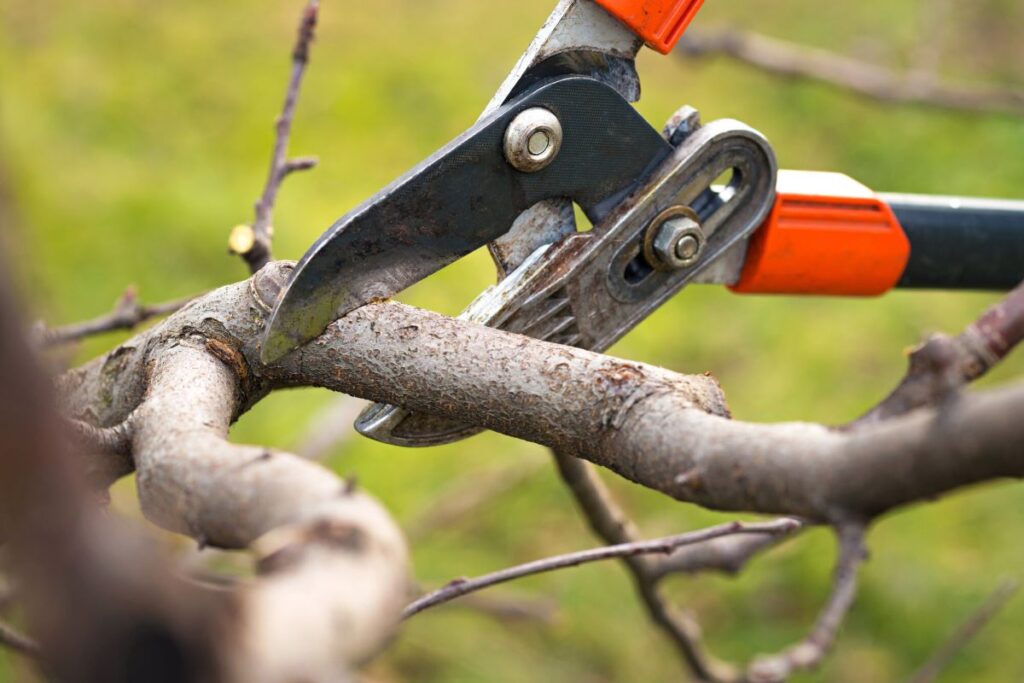
Whether you’re a homeowner looking to enhance your garden or a business aiming to maintain a safe and visually appealing property, choosing the right tree trimmers is essential. In today’s competitive market, many providers advertise expert services, but not all tree trimmers meet the same standards of professionalism, training, and safety compliance. Understanding what separates qualified professionals from inexperienced operators is the first step toward a smooth, stress-free experience.
This guide provides clear insight into the key qualifications to look for when hiring tree trimmers. It covers essential factors such as industry certifications, formal training, insurance coverage, and proven safety records—offering advice tailored to Australian conditions while also referencing widely accepted global standards and research.
As tree maintenance work becomes more complex due to urban growth and stricter safety requirements, knowing how to evaluate tree trimmers is increasingly important. The sections below explore everything you need to make a confident and informed choice.
Industry Overview and the Importance of Qualified Tree Trimmers
The Scope and Scale of the Tree Care Industry
The tree care industry is vast, encapsulating everything from routine maintenance to complicated tree removals. This field isn’t just limited to aesthetics. It’s a billion-dollar market with significant safety concerns that demand professional expertise.
Recent reports highlight that the U.S. tree trimming services industry is valued at nearly $39.5 billion as of 2025, with hundreds of thousands of businesses operating nationwide. Such figures emphasise the importance of hiring professionals who adhere to global best practices.
The industry’s comprehensive scope includes both residential and commercial services. From trimming overgrown branches to safely removing hazardous trees, the role of a skilled tree trimmer is as challenging as it is vital.
Safety Records and the Human Cost
Statistics reveal some sobering realities: tree care work has extraordinary fatality and injury rates when compared to many other trades. For instance, the Occupational Safety and Health Administration (OSHA) estimates a significant number of both fatal and non-fatal incidents each year.
Studies show that tragedies and injuries result from falls, being struck by falling objects, electrocutions, and equipment-related mishaps. The Tree Care Industry Association’s figures between 2012 and 2022 recorded 846 fatalities, emphasising the necessity for safety standards.
When hiring a tree trimmer, it’s not just about aesthetics and price. It’s about engaging a professional who prioritises safety, is properly trained, and is equipped with quality insurance. This is crucial especially considering the high-risk nature of the job.
Essential Qualifications to Check
Certification and Accreditation
One of the very first credentials to verify when hiring a tree trimmer is the proper certification from recognised bodies. Accredited training programmes designed to enhance safety and technical knowledge are a must in this industry.
Look for companies that have certifications from recognised institutions or industry associations. In many cases, organisations offering tree trimming services hold memberships in professional associations that set safety and training standards.
Certifications aren’t merely pieces of paper; they act as a guarantee of the professional’s commitment to staying updated on best practices. Whether it’s training in canopy safety or advanced climbing techniques, these qualifications indicate that the professional is well-prepared to handle complex challenges.
Proof of Insurance and Liability Coverage
Tree trimming is a high-risk occupation. As such, it’s imperative for any company or professional contractor to have full insurance cover. This includes both public liability insurance and workers’ compensation.
Request evidence of up-to-date insurance policies before agreeing to any work. Insurance not only protects the tree trimmer, but also provides you, the customer, with peace of mind in case of unforeseen incidents.
Insurance policies should cover all potential hazards including, but not limited to, accidental property damage or personal injury. Don’t hesitate to ask detailed questions about the extent of their coverage and check the certificates associated with it.
Hands-on Training and Continuous Professional Development
It’s one thing to hold a certification and another to demonstrate practical skills honed through hands-on training. The best professionals in the trade invest in continuous professional development, keeping abreast of new techniques and safety protocols.
In an era with constantly updated industry trends and technological innovations, ongoing training is crucial. Experienced tree trimmers frequently participate in refresher courses that incorporate advanced equipment and modern methods for safe work practices.
This investment in professional development is a clear indicator of a company’s commitment to excellence and safety. Ask directly about their training regime and the latest courses they have undertaken. A responsible tree trimmer should be open to discussing their professional development journey.
Evaluating Experience and Specialisation
Years of Industry Experience
Experience is often a reliable indicator of quality. Professionals who have spent years in the field are more adept at handling unexpected challenges and complex scenarios. In the tree trimming field, where precision and safety are paramount, this experience is invaluable.
Consider asking about the number of years they have been in service and request case studies or references that can attest to their expertise. Many professionals proudly share success stories from particularly challenging jobs.
Exposure to a wide variety of tree species and diverse environmental conditions means they are well-prepared to take on any situation. Experience is not just about clocking in years; it’s about the cumulative knowledge gained from countless projects.
Specialised Skills and Niche Expertise
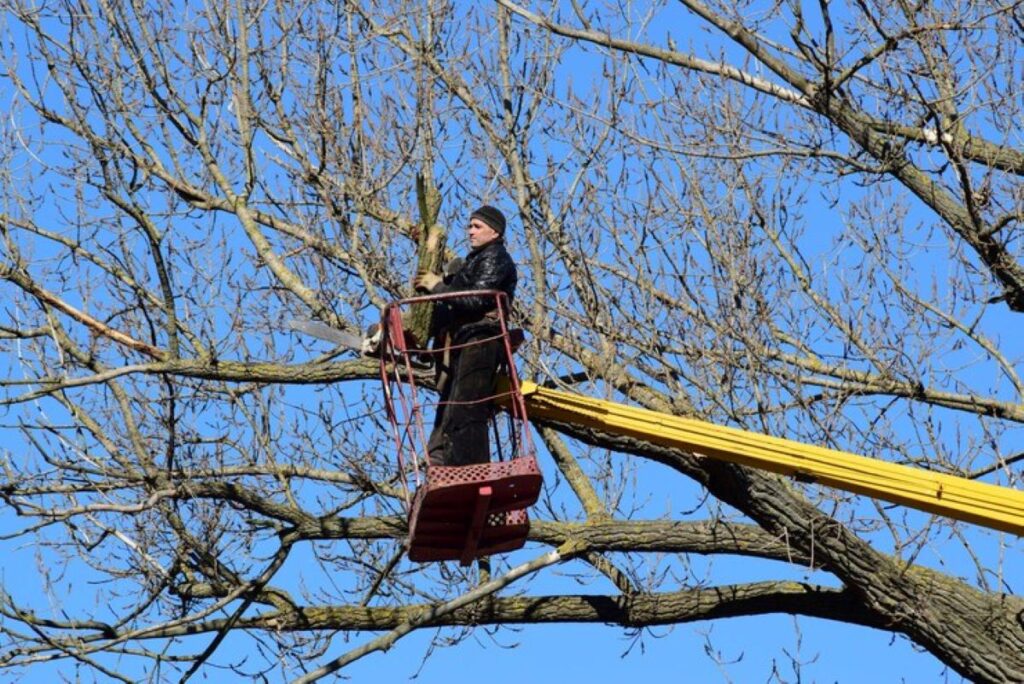
Tree trimming involves much more than wielding a chainsaw. It requires a nuanced understanding of tree biology, proper pruning techniques, and even electrical safety when working near power lines. Specialised skills such as climber certification and aerial lift training are markers of proficiency.
Ask potential contractors if they have specialised expertise for particular tasks-this might include storm damage recovery, preservation pruning for heritage trees, or handling trees in densely populated urban areas. These skills ensure that the job is not only performed well but also in a highly safe manner.
The more specialised the expertise, the better equipped a professional will be at mitigating risks and ensuring the overall health and longevity of your trees. Professionals who specialise tend to have a deeper understanding of local environmental factors, which can be especially beneficial in regions with unique horticultural needs like those found in Australia.
Understanding Safety Protocols and Equipment Standards
Adherence to Safety Standards
With statistics indicating high rates of accidents among tree care professionals, safety protocols are non-negotiable. A good tree trimmer adheres strictly to safety standards developed by recognised bodies like OSHA and industry associations.
Ask about their internal safety records and the measures they take to minimise risk. This might include regular equipment inspections, team briefings before engagements, or remote monitoring tools that ensure work at heights is conducted with utmost care.
Not only should the professional have a robust safety management plan, but they should also be able to articulate procedures for emergency response. Understanding these protocols can offer insights into their operational reliability, reducing the potential for mishaps.
Quality and Maintenance of Equipment
The condition of equipment is a reflection of professionalism. In the tree trimming sector, outdated or poorly maintained tools are not only ineffective but dangerous. It’s important to verify that the contractor uses up-to-date, well-maintained machinery, including chainsaws, climbing gear, and rigging systems.
Ensure that the company maintains regular servicing schedules for its equipment. This reduces the risk of malfunctions, which could lead to costly delays or even accidents on the job site. Operating modern and efficient equipment is often a sign that the business is serious about safety and professionalism.
It’s acceptable to ask for information about their equipment maintenance routines. A transparent company will gladly share details about how they ensure that every tool is in optimum condition before a job begins.
Local Regulations and Environmental Stewardship
Compliance with Local Laws and Licensing Requirements
The landscape of tree care is governed by a broad set of regulations. Different councils and states or territories have specific rules regarding tree trimming, especially concerning protected or heritage trees. It’s essential the contractor understands and complies with these local legal requirements.
Proper licensing is not only a legal necessity but a commitment to fair practice and safe operations. Tree trimmers with the right licences are likely to be more familiar with local ordinances and environmental guidelines. They’ll know which trees can be trimmed and when, ensuring that your property remains compliant with local laws.
Request to see copies of any local licences or permits. A responsible professional will be proud to display this documentation, as it serves as proof of their commitment to both quality and legal compliance.
Commitment to Environmental Best Practices
Beyond safety and licensing, the best tree trimming professionals are responsible stewards of the environment. They employ best practices that promote the overall health of trees and ecosystems, avoiding techniques that could damage the root environment or disrupt local habitats.
Eco-friendly methods, such as minimally invasive pruning and careful debris removal, speak volumes about a company’s dedication to sustainability. In areas particularly conscious of environmental impacts-like many parts of Australia-a green approach is not just desirable, it’s essential.
Discuss environmental strategies during your consultation. A competent tree trimmer will explain how they manage waste, prevent water pollution, and advocate for tree longevity, ensuring the benefits of proper tree care extend far beyond immediate aesthetics.
Customer Service and Communication
Clear Communication from the Start
From initial contact through to job completion, the professional’s willingness to communicate clearly plays a significant role in customer satisfaction. Understanding your needs and providing detailed explanations can make all the difference in ensuring that both parties are on the same page.
Ask detailed questions about the methods, timelines, and safety precautions. A reliable tree trimmer will patiently explain their approach and offer realistic expectations about job duration and outcomes. This builds trust and sets the stage for a successful engagement.
High-quality customer service usually translates into other positive aspects of the business, such as adherence to professional standards and safety protocols. Don’t overlook the importance of responsive and clear communication when assessing potential contractors.
Transparent Pricing and Detailed Estimates
Cost is inevitably a concern when hiring tree trimming services. However, the cheapest quote isn’t always indicative of the best service. Professionals who are upfront with their pricing and can provide detailed estimates demonstrate transparency and trustworthiness.
Request a comprehensive breakdown of charges, including labour, equipment use, and any additional fees for complex procedures. This information helps you gauge the fairness of the pricing and ensures that there are no unwelcome surprises later on.
Furthermore, transparent pricing often implies that the company has clear internal processes and a history of fair dealings. A well-structured estimate not only protects you as a client but also signals that the tree trimmer is confident in the quality of their work.
Verifying Reputation and Client Feedback
Researching Reviews and Testimonials
Client feedback can provide valuable insights into a tree trimmer’s reliability, quality of work, and attitude towards safety. In today’s digital age, online reviews and testimonials can be useful markers of consistently high standards.
Look for detailed reviews that mention the professional’s adherence to safety measures, quality of workmanship, and overall customer service. Expert insights from industry peers or local community forums often provide a more nuanced perspective than a few star ratings alone.
Additionally, checking reviews on accredited platforms can help you rule out any substandard operators. Take the time to look at recent feedback; persistent issues over time might indicate that a seemingly successful company has underlying flaws in its practices.
Asking for References and Past Project Portfolios
It’s perfectly acceptable to ask a tree trimmer for references or a portfolio of past projects. Those with a strong reputation are typically happy to showcase their best work and offer contact details of satisfied clients who can confirm their professionalism and expertise.
Speaking directly with previous customers can reveal firsthand details about how the company handles unforeseen challenges and safety concerns. Moreover, satisfied clients are often eager to discuss distinctive aspects of the service they received, adding authenticity to the glowing reviews.
Request samples of before-and-after images of tree trimming projects. Visual evidence combined with positive testimonials reinforces confidence that you’re opting for a team with the proven experience to work safely and efficiently.
Final Considerations Before Hiring a Tree Trimmer
Comparing Multiple Providers
Before making your final decision, compile a list of potential tree trimming professionals. Don’t hesitate to gather several estimates and compare their qualifications, safety records, and customer feedback. A careful comparison often clarifies which provider combines competitive pricing with robust safety standards.
While a single recommendation might suffice, comparing multiple providers can help highlight subtle differences in experience, equipment, and overall professionalism. Consider arranging preliminary consultations with each-face-to-face meetings or virtual calls can offer further insights and enable you to ask critical questions on the spot.
Even if one provider comes highly recommended, having a backup option ensures you’re comfortable with your decision. A thorough comparison builds the foundation for a confident investment in quality tree care.
Evaluating the Work Scope and Expected Outcomes
Discuss the specific work scope thoroughly before signing any agreement. Whether you require routine maintenance, emergency tree removal, or specialised pruning services, ensure that the provider can confidently address your unique needs.
Clear delineation of expected outcomes helps set realistic expectations. A competent tree trimmer will assess the property, discuss potential hazards, and clearly itemise the service components. This detailed preliminary discussion protects both the client and the contractor from misunderstanding later on.
Finally, ensure that any work plans incorporate robust safety measures and adhere to environmental best practices. A detailed work scope, when combined with the qualifications discussed earlier, is the best assurance of a job well done. Check out more about When a Tree Branch Cutter Service Is Safer Than DIY Cutting.
Conclusion: Make Your Choice with Confidence
Building Peace of Mind Through Due Diligence
With the high stakes associated with tree trimming-both in terms of safety and financial investment-due diligence is absolutely imperative. The qualifications outlined here provide a powerful checklist to help you confidently select a professional who not only meets but exceeds industry standards.
Every aspect, from certification and insurance to specialised training and clear communication, contributes to a safer and more efficient working environment. Putting in the time to verify credentials today can prevent complications tomorrow, ensuring the longevity of your outdoor space and the safety of all involved.
After all, hiring the right tree trimmer isn’t just a matter of aesthetics or cost-it’s an investment in security, efficiency, and long-term value.
Embracing a Culture of Safety and Quality
Opting for a tree trimming professional who demonstrates a consistent commitment to safety and quality can indeed shape the overall experience. Professionals who invest in ongoing training and maintain robust safety protocols are the ones best suited for handling the inherent risks of the trade.
This culture of excellence not only benefits you as a client but also contributes to improved industry-wide standards. As the tree care industry continues growing at a rapid pace, trustworthy qualifications and transparent practices will remain at the forefront of selecting quality service providers.
Embracing these best practices ensures that each trim, cut, and maintenance effort not only beautifies your property but also contributes to a lavish, sustainable landscape that you can be proud of.
Taking the Next Step
If you are in the market for a tree trimming service, start by asking the right questions about certifications, experience, and safety measures. Engage directly with potential contractors to assess their commitment to quality and minimise any uncertainties with clear, detailed responses.
Your diligence today will forge a safer tomorrow for your landscape. With the right professional on board, you can rest assured that every tree will receive the best care possible while keeping safety and sustainability at the heart of every cut.
In summary, prioritising qualifications in your hiring process doesn’t just protect your property-it safeguards the lives of those performing the work, ensuring that a tradition of excellent and secure tree management continues to flourish.