
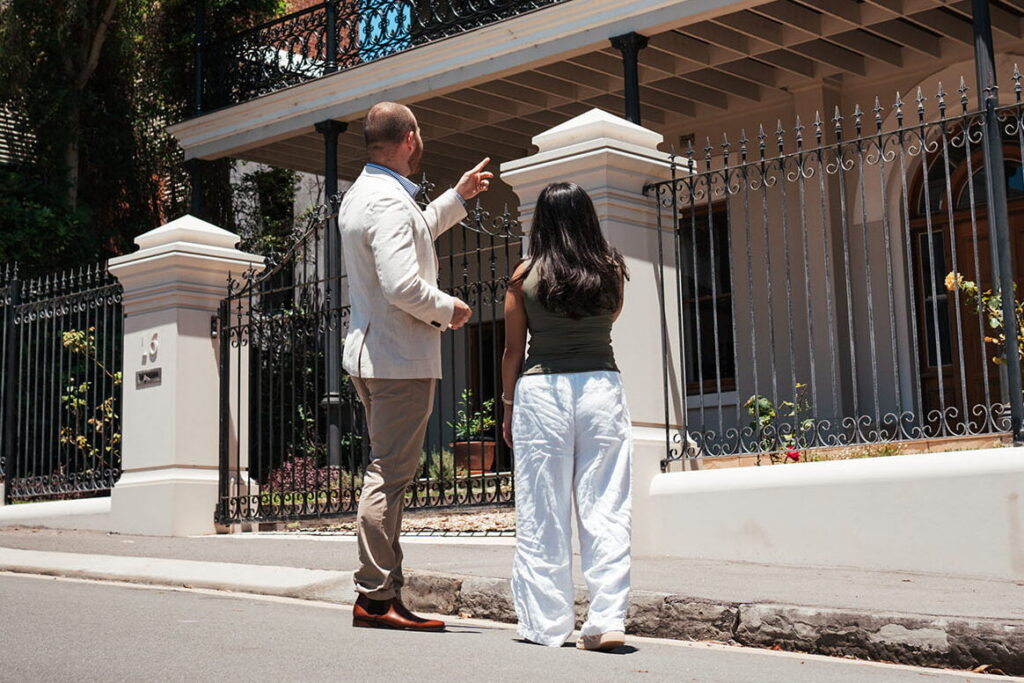
A first time home buyer agent should set expectations early, explain the full buying path, and make costs, risks, and timelines feel predictable. In Australia, that means covering finance, contracts, state-based rules, and the practical reality of auctions and cooling-off periods.
Done well, a first time home buyer agent reduces surprises, protects the buyer’s position, and helps them make decisions with confidence rather than pressure.
What does a first meeting need to clarify about roles and responsibility?
A first time home buyer agent should explain who they represent, how they communicate, and what decisions the buyer must still make. They should also outline what they will do, such as shortlisting, due diligence guidance, negotiation strategy, and bid support.
They should clarify boundaries too. For example, they are not the buyer’s lender, solicitor, building inspector, or valuer, even if they can recommend options.
What should they say about how they are paid and any conflicts of interest?
A first time home buyer agent should explain their fee structure upfront, in writing, before a buyer shares sensitive details or relies on advice. They should state whether they charge a flat fee, a percentage, a staged fee, or a retainer plus success component.

They should also disclose any referral relationships. If they refer a broker, conveyancer, inspector, or removalist, they should confirm whether they receive a benefit and how that is handled.
What buying timeline should they map out from search to settlement?
A first time home buyer agent should outline the typical sequence: finance preparation, property selection, offer or auction, exchange of contracts, conditional period if any, and settlement. They should give realistic time ranges, noting that auctions can compress timelines while private treaty can stretch.
They should also explain key deadlines, such as paying the deposit, organising insurance, and booking inspections early enough to avoid rushed decisions.
What should they explain about borrowing power versus a safe budget?
A first time home buyer agent should separate lender pre-approval from a safe spending limit. They should encourage buyers to budget for interest rate buffers, service charges if applicable, council tax, insurance, and maintenance.
They should also explain that the purchase price is not the full cash requirement. Upfront funds often include deposit, stamp duty where applicable, inspections, and conveyancing, plus a buffer for settlement adjustments.
What should they say about First Home Owner Grant and stamp duty concessions?
A first time home buyer agent should explain that grants and concessions differ by region and can change, so buyers must confirm eligibility for their location. They should prompt buyers to check thresholds, property types, and occupancy rules.
They should also explain timing. Some benefits apply at settlement, some via lender application, and some depend on whether the home is new, off the plan, or established.
What state based rules should they flag before inspections begin?
A first time home buyer agent should explain that the process differs across Australia, especially around contracts, cooling off, disclosure, and auctions. They should encourage buyers to use a local conveyancer or solicitor familiar with that state’s norms.
They should also highlight that auction conditions often remove cooling off rights, which changes how early inspections and contract review should happen.
What should they explain about private treaty versus auction in Australia?
A first time home buyer agent should explain that private treaty allows more structured negotiation, while auctions are public and time critical. They should describe common tactics, such as setting a walk away price, reading the room, and avoiding emotional bidding.
They should also outline pre auction offers. These can work, but they can also trigger a faster campaign, so the buyer needs a clear plan before making an early move.

What due diligence should they insist on before committing?
A first time home buyer agent should explain the minimum checks for the property type and location. For houses, that usually includes building and pest inspections and reviewing council overlays and flood or bushfire risks where relevant.
For flats and townhouses, they should prioritise strata records, levies, special levies, building defects, and sinking fund health. They should also explain that some risks do not show up in a quick inspection.
What should they explain about the contract, special conditions, and legal review?
A first-time home buyer agent should encourage contract review before signing, not after emotions rise. They should explain what special conditions can do, such as subject to finance, subject to building and pest inspections, longer settlement, or early access requests.
They should also explain that contract language is not standard across all regions or agencies. A conveyancer’s advice can change the entire risk profile, especially around deposits, default clauses, and inclusions.
What should they say about deposits, cooling off, and the risk of exchanging too early?
A first-time home buyer agent should explain how deposits work, including the initial holding deposit versus the full deposit at exchange, and where the money is held. They should also explain the cooling-off rules that apply in some regions for private treaty, and that auctions typically remove this safety net.
They should stress that exchanging contracts without clarity on finance or inspections can be costly. The buyer should know exactly what they are committing to at each step.
What should they explain about hidden costs beyond the purchase price?
A first-time home buyer agent should list costs buyers often miss: conveyancing or solicitor fees, building and pest reports, strata searches, lender fees, loan settlement fees, mortgage registration, and moving costs. They should also mention ongoing costs like council tax, water rates, insurance, and service charges.
They should encourage buyers to keep a buffer. In UK markets, rushed decisions often come from being cash-tight rather than from a lack of options.
What should they say about negotiation strategy and “walk away” rules?
A first time home buyer agent should help buyers set their maximum price based on evidence, not competition. They should explain how they will use comparable sales, days on market, vendor motivation signals, and inspection findings to support an offer.
They should also define walk away rules. If the property fails key checks or the price runs beyond value, the buyer needs permission from themselves to step back without regret.
What local market realities should they explain about pricing and value?
A first time home buyer agent should explain common pricing behaviours, such as underquoting risk in some auction markets and the difference between guide price and sale price. They should show buyers how to read recent sold results, not just current listings.
They should also explain property value drivers in Australia, such as school zones, transport links, flood mapping, strata reputation, and future supply from nearby developments.

What should they explain about communication, updates, and decision speed?
A first time home buyer agent should agree on how quickly decisions need to be made in the buyer’s target suburbs. They should set expectations for response times, inspection schedules, and how they will present opportunities.
They should also explain how they filter options. Buyers should know why a property is recommended, what the trade offs are, and what risks have been identified early.
What should they explain about coordinating professionals like brokers and conveyancers?
A first time home buyer agent should explain how the team fits together: broker for finance structure and pre-approval, conveyancer or solicitor for contract and settlement, inspectors for condition, and insurer for coverage. They should also explain when each professional must be engaged to avoid delays.
They should encourage buyers to choose professionals early. In Australia, waiting until the “perfect home” appears can create time pressure and weaker negotiating power.
What should they explain about post purchase steps up to settlement day?
A first time home buyer agent should outline what happens after exchange: paying the deposit, satisfying conditions, booking valuation if required, organising insurance, and completing final inspections. They should also explain settlement adjustments such as rates and strata payments.
They should set expectations about delays. Settlement can shift due to finance processing, title issues, or vendor timing, so buyers should plan their move with flexibility.
What should they provide in writing so nothing is forgotten?
A first time home buyer agent should provide a simple written roadmap, including a budget checklist, due diligence list, and a timeline with decision points. They should include a clear statement of fees, scope, and communication expectations.
They should also provide suburb and property criteria in writing. When emotions rise, written criteria helps buyers stay consistent and avoid buying a home that does not fit their real needs.
What should they do to make a buyer feel confident without pushing them?
A first time home buyer agent should explain that their job is to create clarity, not urgency. They should normalise questions, encourage second opinions on legal and building matters, and make space for the buyer to pause.
They should also be honest about trade-offs. In Australian markets, the “perfect” home rarely exists at the “perfect” price, so confidence comes from understanding compromises and choosing them deliberately.
What is the simplest upfront checklist they should cover?
A first time home buyer agent should cover these upfront items: budget versus borrowing power, state specific rules, private treaty versus auction approach, due diligence steps, contract review timing, and total cash required. They should also confirm the buyer’s must-haves, nice-to-haves, and deal breakers.
When these basics are clear, a first time home buyer agent can focus on finding the right property and protecting the buyer through to settlement.
FAQs (Frequently Asked Questions)
What should a first time home buyer agent clarify about their roles and responsibilities during the initial meeting?
A first time home buyer agent should clearly explain who they represent, how they will communicate with the buyer, and which decisions remain the buyer’s responsibility. They should outline their services including shortlisting properties, guiding due diligence, advising on negotiation strategies, and providing bid support. It’s important they also set boundaries by clarifying that they are not acting as lenders, solicitors, building inspectors, or valuers, although they may recommend professionals in these areas.
How do first time home buyer agents in Australia typically structure their fees and disclose conflicts of interest?
Agents should provide a written explanation of their fee structure upfront before any sensitive information is shared or advice given. This includes detailing whether fees are flat rates, percentages, staged payments, or retainers plus success fees. They must also disclose any referral relationships with brokers, conveyancers, inspectors, or removalists and clarify if they receive any benefits from these referrals and how such conflicts of interest are managed.
What buying timeline should first time home buyers expect from property search to settlement in Australia?
A typical buying timeline includes finance preparation, property selection, making an offer or attending an auction, exchange of contracts, any conditional periods if applicable, and final settlement. Agents should provide realistic timeframes noting that auctions often compress timelines while private treaty sales can extend them. Key deadlines like deposit payment, insurance organisation, and early booking of inspections to avoid rushed decisions should also be explained.
How should a first time home buyer agent advise on borrowing power versus establishing a safe budget?
Agents should distinguish between lender pre-approval amounts and a prudent spending limit. Buyers are encouraged to budget for interest rate buffers, service charges if applicable, council tax, insurance premiums, and ongoing maintenance costs. They must understand that the purchase price isn’t the total cash needed; upfront funds include deposits, stamp duty where applicable, inspection fees, conveyancing costs, and buffers for settlement adjustments.
What key state-based rules must first time home buyers be aware of before inspections in Australia?
First time home buyers need to understand that processes vary across states especially regarding contracts, cooling-off periods, disclosure obligations, and auction protocols. Agents should advise buyers to engage local conveyancers or solicitors familiar with regional regulations. Importantly, auctions often remove cooling-off rights which affects when inspections and contract reviews should occur to avoid risks.
What due diligence checks are essential before committing to a property purchase for first time buyers?
Due diligence varies by property type; for houses this usually includes building and pest inspections plus reviewing council overlays and assessing flood or bushfire risks where relevant. For flats and townhouses prioritising strata records is crucial including levies (regular and special), building defects history, and sinking fund health. Agents should emphasise that some risks may not be evident during quick inspections so thorough checks are vital before commitment.